
Poland has so many hidden corners where light plays tricks on landscapes, turning ordinary moments into something unforgettable. It might be dusk over a small village church spire, or early morning mist creeping across lakes in the Masurian region—those are the moments that linger long after the trip ends.
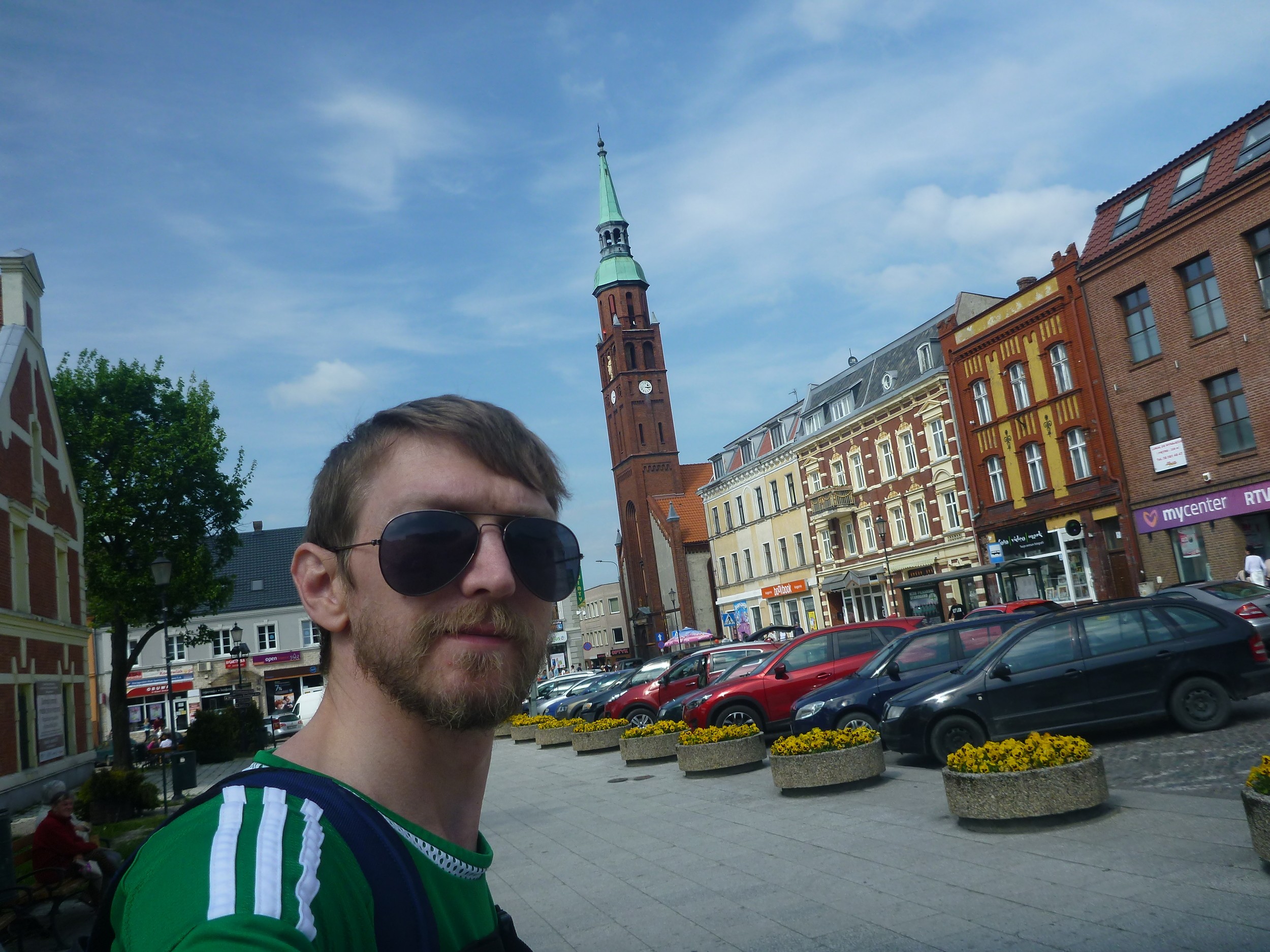
Backpacking in Starogard Gdański
Living here, you begin to notice the subtle shifts through the day. Dawn light filtering through birch trees, midday brightness bouncing off cobblestones in a forgotten alley, golden hour casting long shadows on rustic cottages. It’s in these transitions that lesser-known towns and villages reveal their poetry. Places off the usual tourist map—spots like Biskupiec, Kokoszkowy, or sleepy corners of the Polish countryside—feel richer for it, quieter, more intimate.
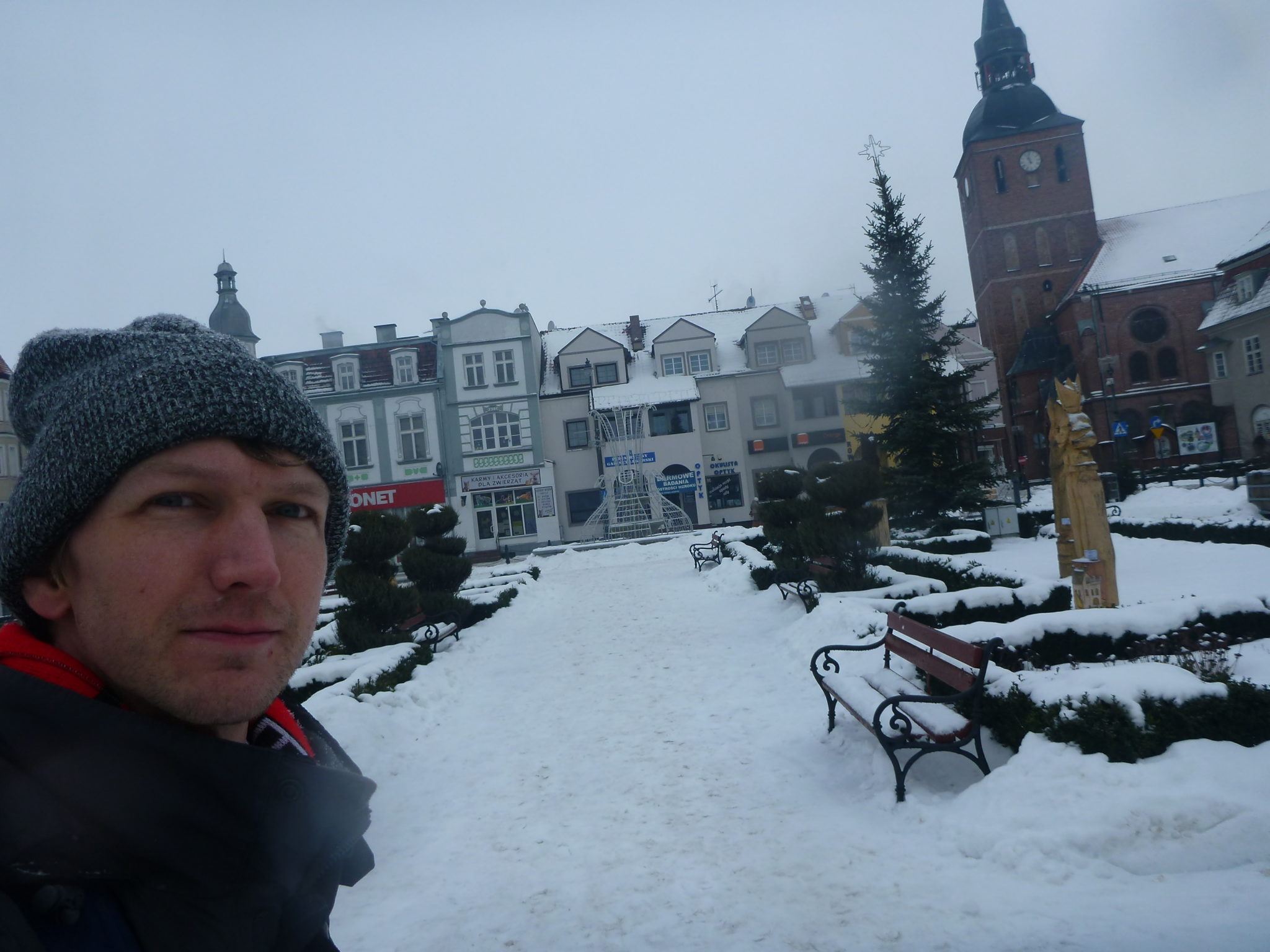
Winter in Biskupiec
Traveling with care amplifies these experiences. Choosing to linger rather than rush, having no fixed schedule, letting the weather guide you or a stray path lure you off-road. It means time to pause at a roadside café, sip coffee while the world’s waking, watch light change on rooftops, notice architectural details, moss on stones, the texture of old wood.
There’s something remarkable about being one of the few in a place, when streets are empty, when towns wake slowly. The local baker opening his shop, light bouncing off windows, windows reflecting domes, church steeples, or red rooftops. You realize the beauty isn’t in perfection—it’s in weathered facades, uneven pavement, wildflowers in cracks, aging signs in fading fonts.
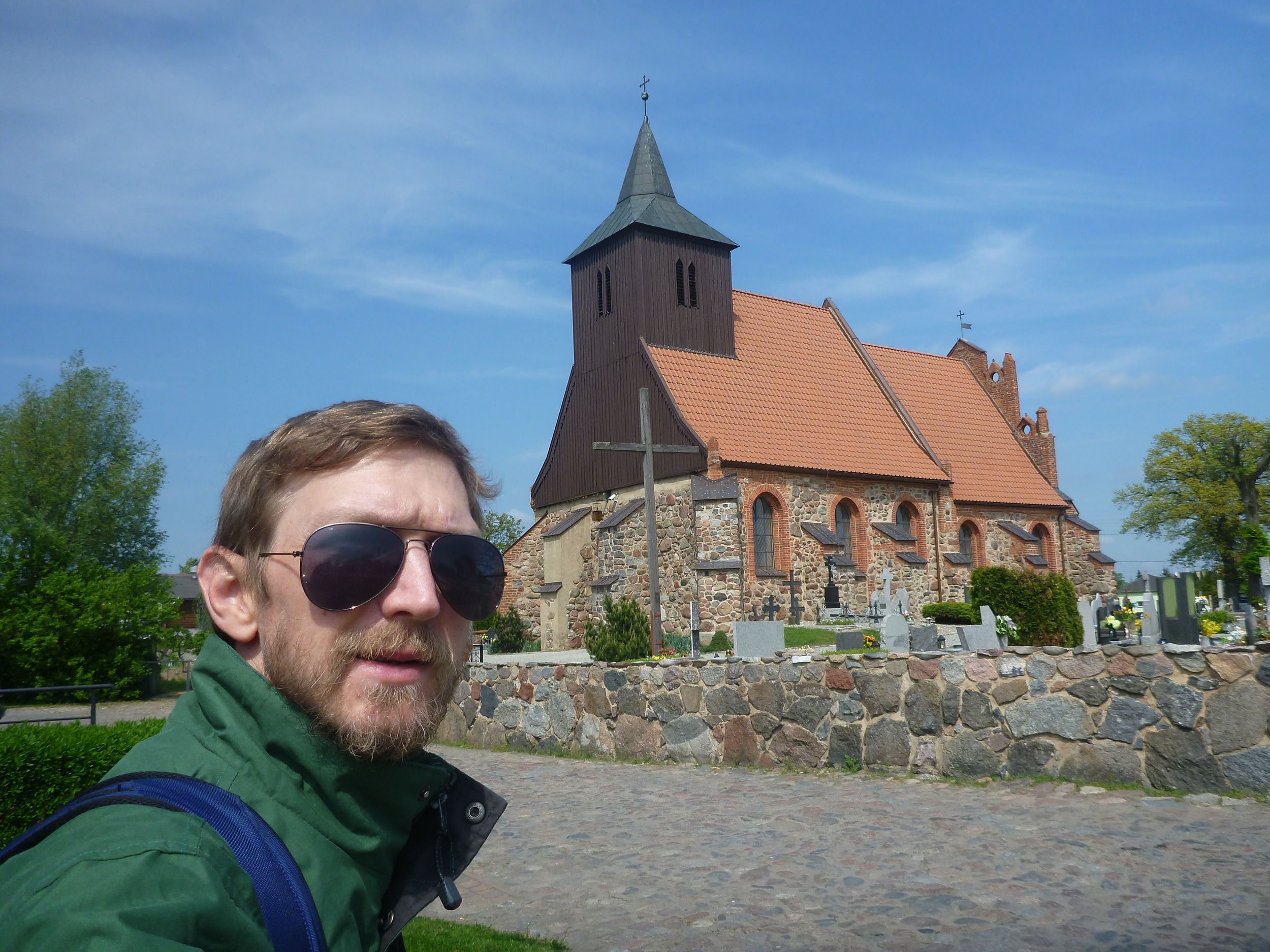
Kościół Rzymskokatolici Swieto Barbary w Kokoszkowach in tiny Kokoszkowy
And sometimes technology becomes part of that experience in surprising ways. A simple QR code generator used by a small heritage museum allows curious visitors to scan for stories tied to buildings or monuments. You walk by, scan, read tales of who built a house, what battles were fought nearby, or how the neighborhood changed over a century. It ties the past and present seamlessly.
Food and smell anchor memory: loaves baked in wood ovens, smoky paprika in stews, wild mushrooms from forests, sour cream dolloped on pierogi. Evening light hitting diners in outdoor terraces, locals sharing jokes, children chasing golden shadows across square stones—that’s when place becomes more than geography; it becomes feeling.
Poland has many loud destinations: big cities, popular castles, major rivers. But in the quiet edges—small villages by a river, scraping light over marshlands, forests growing thick, roads that end in fields—the landscape hums in its own way. It offers solitude, surprise, and connection to history and nature that shine brightest when light and time slow down.
If you travel through Poland with openness, you learn to look for moments rather than check off places. You remember a dawn where mist clung to the water, where church bells echoed softly, where a village cat stretched in the warm sun. These are the subtle beauties that make every journey personal.


